Tuesday, 27 November 2012

In Search of Squirrel Nutkin

We recently installed some squirrel feeders hoping to attract red squirrels to them.  These consisted of a small wooden box with a transparent front and a hinged top which squirrels are able to push open with their heads to gain access to nuts and seeds inside.  One of these was placed inside a wire cage with a mesh size that allows entry of reds but not the larger greys.  A camera placed overlooking the feeder captured lots of pictures of a red squirrel.


Squirrel feeder


Red squirrel on caged feeder

Squirrel lifting feeder top to access food

Squirrel feeding
Squirrel slipping through cage mesh

Wednesday, 21 November 2012

Vista Management Revisited


Wednesday 21st November 2012

7o Celsius and raining, not the sort of weather the Conservation Team have become accustomed to on a Wednesday! Despite the inclement weather, five hardy volunteers set off with Keith to prune the laurel bushes on the ride up towards the Banqueting Hall, a task last undertaken in January.
A soaked volunteer
Equipped with secateurs we set about our task, the aim of which was to improve the vista and give a clear line of sight down towards Gibside Chapel. Some of the prunnings were collected to be made into Christmas decorations later (two tasks in one job!).
After a coffee break in Renwick’s CafĂ© at the Stable Block we returned to finish our task, and then it was off to the Pontop Shed for lunch.
Mary resting on her laurels!
View down the ride


The finished job


Although the rain had now stopped most of us decided to call it a day after lunch and headed for home, let’s hope the weather is better next week!

                                                                                                                                               Phil Coyne


Monday, 12 November 2012

Fantastic Fungi

One of the wonders of autumn is the spectacular hues of red, orange and yellow produced by our deciduous trees but take a close look at the woodland floor and you will find a host of fungi the colours of which would  rival those of the brightest rainbow. 

Pluteus aurantiorugosus

Coriolus versicolor

Scarlet waxcap

Amethyst deceiver


As well as a fantastic colour range you will discover they also come in an incredible range of shapes and sizes.  Some grow like spindles or coral while others are like small cups and a few are like small birds' nests complete with eggs.

Violet coral
Jelly antler fungus
Bird's nest fungus
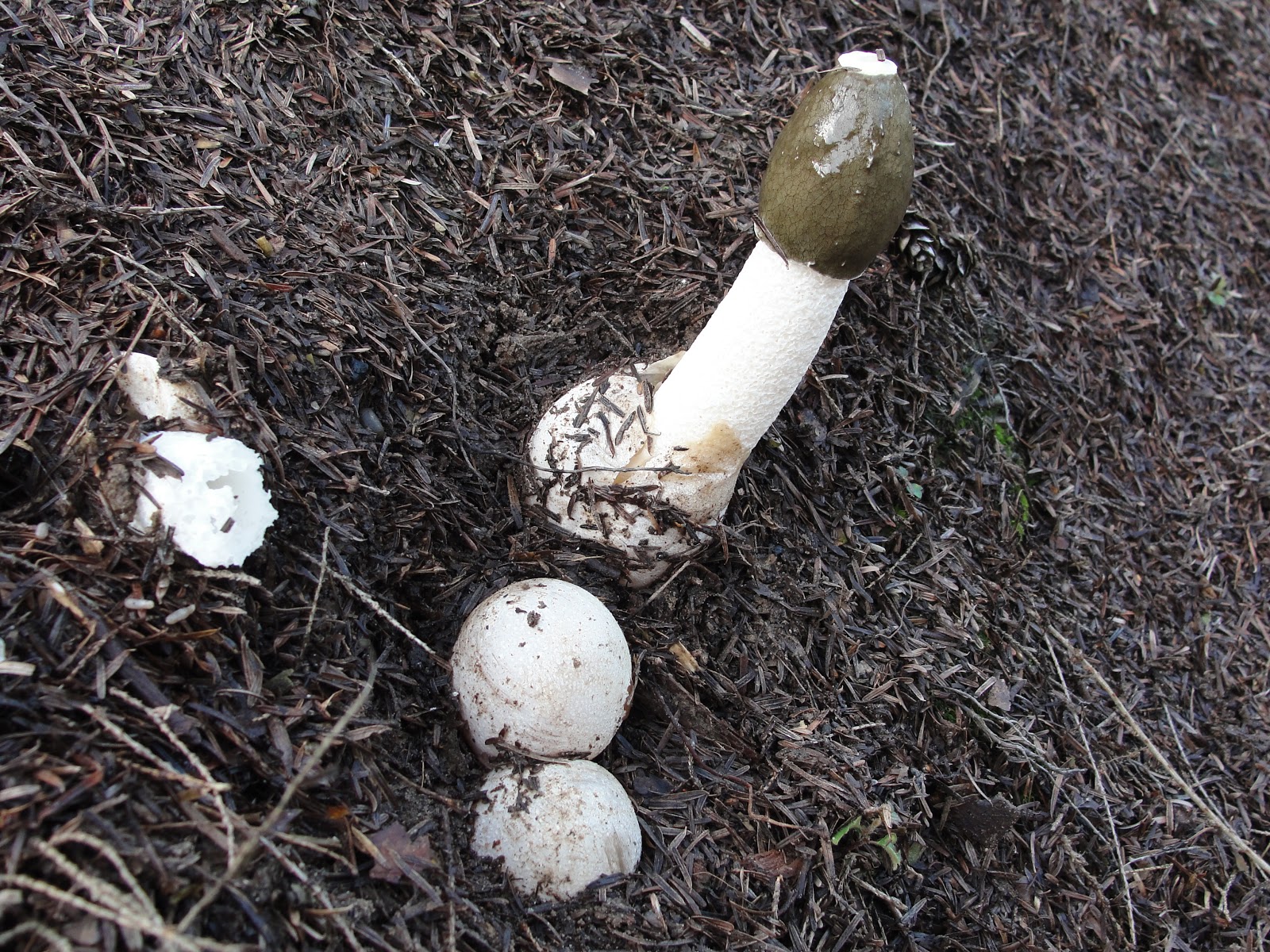
Stinkhorn

Scarlet elf cup

Thursday, 25 October 2012

Autumn at Gibside

As you ramble round Gibside's landscape look out for lots of changes and signs now that autumn is with us.  Trees and shrubs are transforming their once green leaves into colourful shades of red, orange, yellow and purple prior to shedding them for the oncoming winter.


Red autumn foliage of cherry trees with roe deer feeding in foreground


Yellow foliage of lime trees


Unfavourable weather earlier in the year has led to many species of trees and shrubs producing poor crops of fruit, nuts and seeds.  The oak trees on the Avenue however have produced a fair crop of acorns and these provide a valuable food source for many mammals and birds.  Grey squirrels and jays have been drawn out from the surrounding woodlands to take advantage of such a feast with any surplus being cached away for leaner times.  Blackberries also provide a welcome meal to a variety of mammals and birds.


Blackberry


Badgers have been busy of late scuffing grass in their search for earthworms and other underground larvae so look out for these signs on the Avenue and pathside verges.  Look out on the Avenue for their communal latrines where they deposit their droppings in shallow pits and also their regular pathways running down from the Park fields.


Grass scuffed by badger 'snuffling' for earthworms


Autumn and the recent wet spell has seen an increase in the amount of fungi showing.  These too provide a seasonal feast for mammals such as squirrels and roe deer and come in a fantastic range of shapes and colours.


'Parrot waxcap'

'Chicken of the woods'


Sunday, 14 October 2012

Fungal Foray

We recently held our annual fungal foray and barbecue here at Gibside which as usual was very popular and fully booked.  The recent spells of rain led to an increase in the number of  fungi appearing following what had till then been a rather slow year.  On the day a total of fifty six different species were identified in a range of shapes and colours.


Yellow stagshorn Calocera viscosa

Pink waxcap Hygrocybe calyptriformis

Chanterelle Cantharellus cibarius

Amethyst deceiver Laccaria amethystina

Blackening waxcap Hygrocybe conica

Common puffball Lycoperdon perlatum

Fly agaric Amanita muscaria

The foray was followed by a barbecue which included the delicious 'hedgehog fungus' brought in by one of our rangers.   

Monday, 24 September 2012

Snipes Dene regeneration 19 September 2012


Back in May, the Conservation Team planted a hundred or so oak saplings and a handful of other species left over from another job on a patch of Snipes Dene. The Dene had been left largely denuded when the Forestry Commission’s non-native conifers were felled about three or four years ago. In a not particularly thorough search, we found maybe a couple of dozen young oaks – many showing signs of nibbling. Presumably many others have not survived the rabbits.


Snipes Dene

One of the surviving Oak saplings
 
In September last year, we designated a small area of the Dene to monitor for natural regeneration. A work party did its best to rid the patch of Western Hemlock saplings which were growing profusely. A year later this invasive, foreign conifer is flourishing and will have to be uprooted soon if it is not to take over.
 
A patch of Western Hemlock
However, other, more welcome, native trees are also taking hold: oak, beech, holly and, quite extensively, birch. Much of the ground is bare and hard-packed, or is deep in brashing woven through with bramble.
Bramble  with blackberries
 
Although the area still has a barren look about it, foxgloves – now long skeletal fingers pointing skyward - are abundant and more than twenty other flowering species have appeared over the past twelve months, along with numerous hard ferns and male ferns, and more than seven identifiable species of fungi.

A Holly Tree becoming established
Hard Fern


Foxglove


Enchanter's Nightshade
Red Campion
Hawkweed sp.

Animal life seen here over the summer includes five species of butterfly and the common carder bumble bee, but some things that might be expected are missing: we have seen not one ant or woodlouse, though this embryonic woodland floor abounds with two small species of spider which must be eating something. Bones of rabbits and other small mammals are dotted around; Ranger Phil, on his early morning patrols, has often seen a fox family here who are most likely responsible. Life – and death – is returning to Snipes Dene.

Thursday, 6 September 2012

Seahouses Ragwort Bash

We recently took a group of our volunteers to Seahouses to assist NT Northumberland coast rangers control the spread of ragwort on coastal grasslands.  The species rich grasslands had a diverse variety of flora including lots of ragwort which is toxic to livestock.  As these grasslands were to be cut for hay and the toxins persist after cutting and drying it was neccessary to remove the ragwort beforehand.  This we did by hand-pulling the smaller weaker plants and digging up the larger more robust ones.


Before we started


Volunteers Neil, Peter and Tim hard at work.


Ragwort is a native plant with clusters of yellow flowers and is a food plant of the cinnabar moth catterpillar of which we came across many.

Cinnabar moth catterpillar

Ragwort-free zone


The team all done and ready for home

After a hard days work the area was declared a ragwort-free zone and we headed back to Gibside with aching backs.